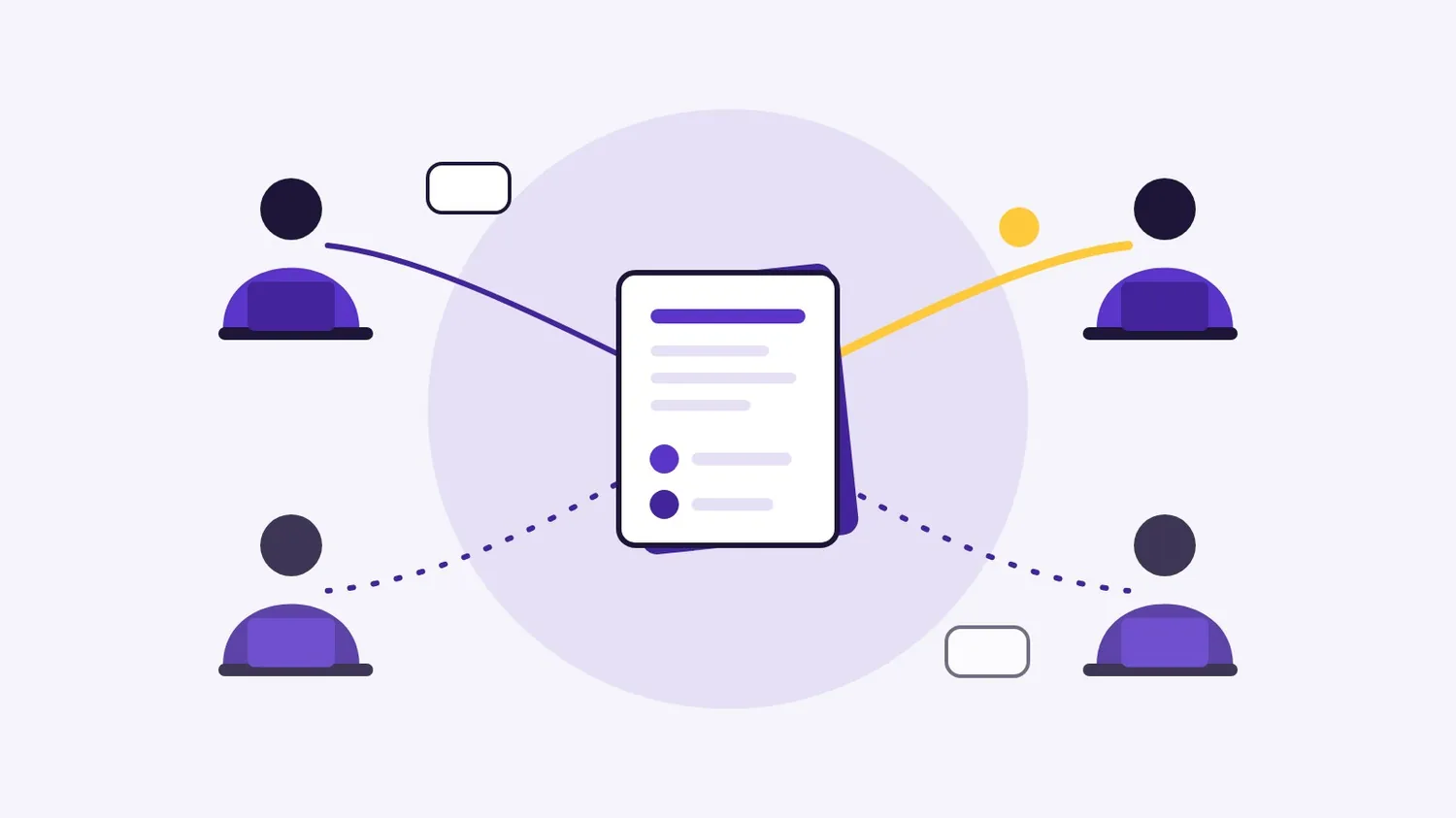
Most of us now do our jobs inside a handful of apps: chat, docs, a project tracker, a video call. This week Unily and Gallup put a number on how well that setup works. According to their research released November 11, only 20% of U.S. employees report both strong Digital Enablement and strong Digital Culture. Put simply, just one worker in five has tools that work and a way of working through those tools that makes them feel connected, informed, and able to grow.
The most useful part of the report isn’t about software, though. When the researchers compared people who had only one of the two, the ones with good culture and weak tools were clearly better off than the ones with good tools and weak culture. That makes this a soft-skills story, and a timely one.
What the research found
The study, published via PR Newswire, surveyed 2,305 U.S. workers from the Gallup Panel between July 6 and 10, 2026. It defines its two halves this way:
- Digital Enablement: whether employees can find, use, and rely on the tools and information their jobs require
- Digital Culture: whether those same systems help people feel connected, informed, and able to grow
Here are the headline numbers:
- 49% of employees have good Digital Enablement, but only 34% have good Digital Culture. 36% have neither.
- Employees with a good overall digital workplace experience are 3.1 times as likely to be engaged (46% versus 15%).
- Burnout runs at 11% for people with a good experience and 38% for people with a poor one.
- Among people with good culture but weak tools, 38% are engaged and 21% report frequent burnout. Flip it (good tools, weak culture) and engagement falls to 17% while burnout rises to 29%.
- When information lives in one place, 33% of employees frequently switch between tools. When it is spread across many places, that rises to 78%.
The authors are careful about one thing, and you should be too: the survey is cross-sectional. It shows associations, not proof that a better digital culture causes higher engagement. Still, the gap between those two “half-good” groups is hard to ignore. A company can buy enablement. Culture is something people have to practice.
Why this lands now
The research arrives two weeks after Gallup’s Q3 engagement update, released October 28, put U.S. employee engagement at 29%, the lowest reading since 2011. HR Dive’s summary points to two signals that line up with this week’s findings. The share of people who strongly agree they know what is expected of them fell to 46%, and only 37% strongly agree that someone at work cares about them as a person. Gallup said the Q3 findings “add to concerns about how well organizations communicate expectations,” and the sharpest declines came among hybrid and remote employees.
A second release on November 11 makes the same point from Asia. The 2026 AmChamSG Manpower Survey, also produced with Gallup, found that 46% of employers now name a skills mismatch as a key manpower challenge, up from 34% in 2025, and 66% prefer hybrid or flexi-place work. Gallup’s Kanika Singh said the payoff from training depends on organizational culture and on how well-equipped managers are to drive it. That is relevant if you work for Singapore or regional ASEAN clients from the Philippines: the employers hiring you are actively worried about whether distributed teams actually function.
Taken together, the week’s data says something we have seen building all autumn. In structured hybrid teams we argued that written decisions beat a free-for-all schedule. In role clarity and work stress we covered how ambiguity, not workload alone, burns people out. And in active listening we looked at empathy getting crowded out by dashboards. The Unily and Gallup data adds the layer underneath all three: the habits people use inside shared tools.
Digital culture is a set of soft skills
“Culture” sounds like something HR owns. In the digital workplace, though, it mostly comes down to small choices made by individuals many times a day. Do you post the decision where people will find it? Do you acknowledge a message or leave it hanging? Do you thank someone in the channel where their manager can see it? Each of these is a soft skill: written communication, follow-through, recognition, and judgment about where and how to say things.
The good news for individual workers and freelancers is that you don’t need permission or budget to improve your part of it. Here is where to start.
1. Write for the person who missed the meeting
Engagement is closely tied to clarity of expectations, and most unclear expectations come from decisions made out loud and never written down. After any call that changes scope, owner, or deadline, post a three-line recap in the shared channel: what was decided, who owns the next step, and when it is due. It takes two minutes, and it does more for team clarity than any new app.
2. Put the answer where the next person will look
The tool-switching figure (33% with one information source versus 78% with many) is a culture problem as much as a tooling one. People scatter information because they reply wherever they happen to be. Make one place the home for each project, and when someone asks a question in a DM, answer it there and link it back to the shared doc or thread. You are cutting down search time for everyone who comes after you.
3. Close loops, out loud
Silence in a chat tool reads as “not seen” or “not interested,” and both erode connection. A quick “Got this, will reply by 3 p.m.” or a checkmark reaction with a short note tells the sender their message landed. For freelancers this is reliability made visible, the same proof-over-adjectives signal we covered in personality and hiring.
4. Recognize work where others can see it
Only 37% of workers in Gallup’s Q3 data strongly agree that someone at work cares about them. Specific, public thanks is one of the cheapest ways to move that number on your own team. Skip “great job.” Name the thing: “Your checklist caught the missing invoice field before the client saw it.” Peers often see effort that managers miss, so you don’t need a title to do this.
5. Respect focus as a team norm
Constant pings feel like collaboration, but they push people toward the burnout end of the scale. Agree with your team or client on what counts as urgent and which channel it belongs in. Batch non-urgent updates. If you lead a project, model it: one daily update instead of a dozen fragments.
6. Make time for real faces
Digital culture isn’t only about text. A short video check-in every week, or a standing five minutes at the start of a call for non-task talk, gives remote people what hallway conversations used to. If you are a solo contractor and the client never offers one, ask for a short monthly sync. Most clients say yes, and it changes how they see you.
A quick self-audit for this Friday
Before you log off this week, look back at your last five working days and ask:
- Did I leave any decision in a call or DM without writing it down where the team works?
- How many messages did I read and leave without any acknowledgment?
- Who did good work this week, and did I say so where it counts?
- Did I add to tool-switching by posting in a new place instead of the agreed one?
Pick the one with the worst answer and fix it next week. Small, repeated improvements are how a culture shifts.
The bottom line
This week’s research makes a quiet but important point: better software won’t fix a disconnected team, while better habits can make up for clumsy software. Only one in five U.S. workers currently gets both. With engagement at a 15-year low and employers from New York to Singapore worried about skills gaps, the people who make shared tools feel human (clear recaps, closed loops, specific thanks, respect for focus) are building the kind of value that shows up in reviews, renewals, and referrals.
You can’t control your company’s tech stack or your client’s project software. But you can control how you show up inside it, and the data suggests that matters more.