A month ago the story was that employers want people who build with AI, not just prompt it. This week the data answered a quieter question: what happens to the hours after the tool is built?
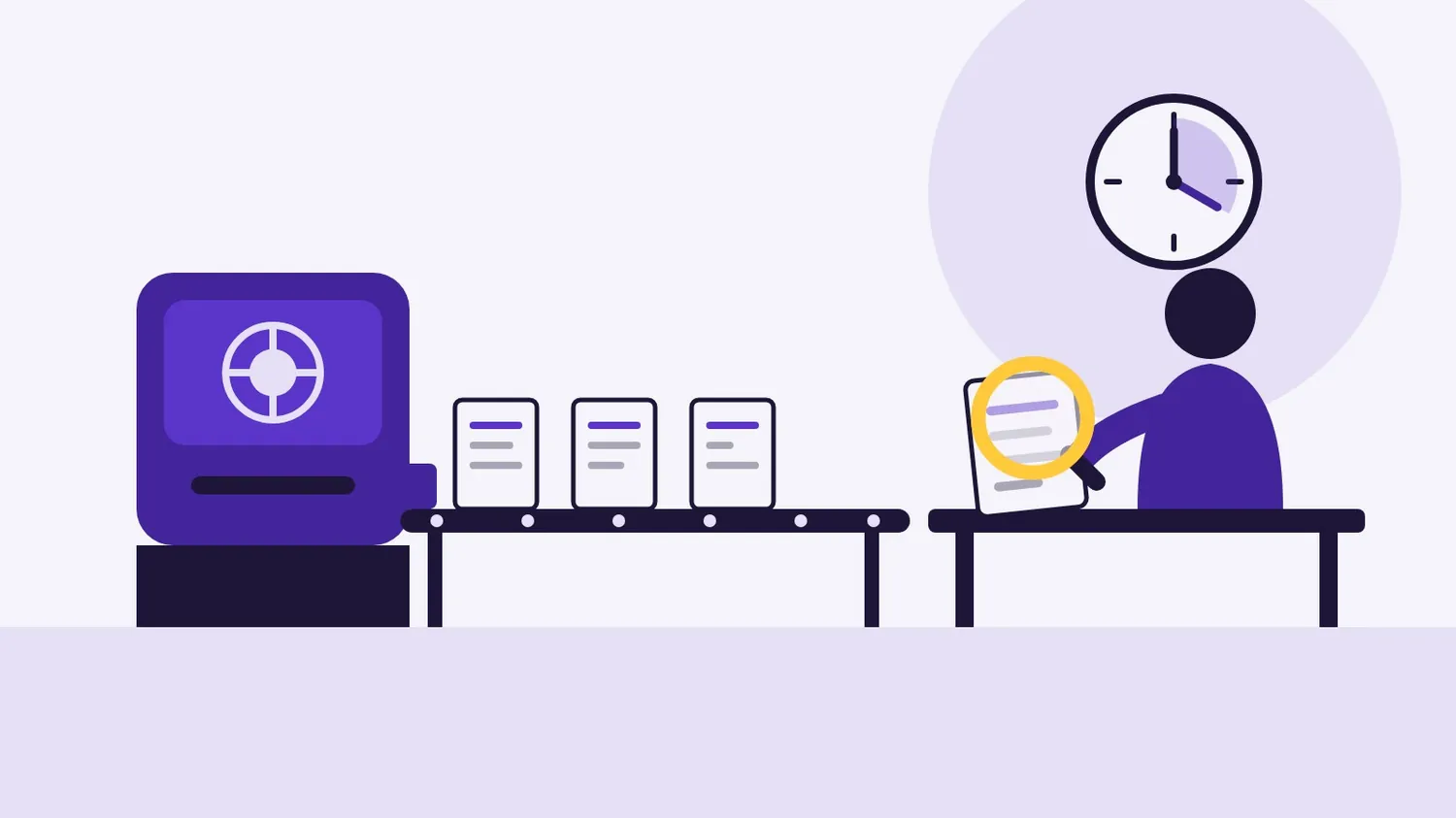
The short answer is that someone still has to check, fix, and sign off on what the AI produces. That work is real, it is growing, and in most workplaces it is invisible on a payslip. Call it the oversight tax.
Here is what landed between November 9 and 10, 2026, and what to do about it whether you are on staff, freelancing for overseas clients, or working remote from the Philippines.
Payscale: productivity up, pay mostly flat
On November 10, 2026, Payscale released its full AI Workforce Impact Report, following a preview in September. The headline is in the title: AI is boosting productivity, but employers struggle to put a price on it.
The numbers employees reported are modest:
- 61% say AI saves them less than 10 hours a week
- 15% say it saves no measurable time at all
- Only 19% say the time they do save goes to more strategic work
- Only 16% say AI-related upskilling has raised their pay, while 70% report no change
- 56% think people who build new AI skills should earn more
Meanwhile, Payscale’s preview found 74% of employers planning to invest in AI upskilling over the next twelve months. So companies are spending on training, and workers are learning, but the reward is mostly going to the company’s output numbers rather than to the person doing the learning.
That gap is not new. What is new is that it is now measured, published, and easy to quote in a salary conversation.
Botsitting is a job, and it scales with seniority
Payscale’s time numbers make more sense next to a survey that was published last week and kept circulating through this one. Founder Reports surveyed 2,052 U.S. workers who use AI at least weekly. Among those who have trained a human employee, 60% said training, overseeing, checking, and fixing AI takes at least as much effort as training a new hire. One in three said it takes more.
They gave the work a name: botsitting. In their sample, 31.6% spend at least three hours a week on it, and 8.4% spend more than ten. Managers carry more of the load: 40.7% of managers and above spend three or more hours a week overseeing AI and fixing its errors, against 25% of individual contributors. And 57% of managers have had to fix a colleague’s work because that colleague leaned too hard on AI.
The same piece points to SHRM’s 2026 workplace AI research, where directors and above report about six hours a week correcting AI output, roughly double what individual contributors report.
Put Payscale and Founder Reports side by side and you get the oversight tax in plain terms. AI saves some hours. Checking AI spends some hours back. The net is real but smaller than the pitch deck, and the checking falls hardest on whoever is accountable for the final result.
Performing AI use instead of benefiting from it
The tax gets worse when people use AI for show. TechRadar this week covered a JobAssist survey finding that about half of workers have used AI on a task they believed they could do faster without it, because their employer encourages or expects AI use. JobAssist’s own conclusion is the useful part: companies can measure whether employees use AI, but those dashboards cannot tell whether the work actually got better.
If your manager tracks “AI adoption” as a metric, you will feel this pressure. The fix is not to refuse the tool. It is to report outcomes (time to delivery, error rate, revision count) instead of usage.
Envato: creatives use it daily, and many do not tell clients
Also on November 10, Envato published its second annual State of AI in Creative Work report, surveying 1,033 creative professionals across 103 countries and territories in September. Its subtitle says adoption “has outrun the rules.”
Two findings matter for freelancers:
- 58% of respondents now use AI every day
- More than half of AI users have used it on client work without telling the client
Envato’s CEO, Hichame Assi, framed the good news this way: almost every creative is using AI, “but very few are letting it run unchecked.” In other words, the oversight is happening. It is just not being disclosed, priced, or written into the contract.
The report also found that among creatives whose rates changed this year, speed, reputation, and creative direction all mattered more than AI skills. Clients pay for judgment and reliability. AI is how you deliver those faster, not what they are buying.
We flagged this disclosure risk back in the AI governance trust gap. Two months later it is the norm, not the exception, and that is exactly when clients start adding clauses.
The rehire signal
One more story from November 9 shows why oversight work is worth defending. Fortune reported on an SHL survey in which 19.1% of U.S. respondents said they had been replaced by AI and later asked to come back. SHL calls it “AI rebounding.” Of those who returned, 51% wanted a substantial raise, 42% wanted written job-security guarantees, and 40% wanted transparency about AI’s role in their job.
Fortune also cited Robert Half data showing that among U.S. hiring managers whose companies cut roles because of AI, 32% later had to reinstate the same or similar positions. The top reasons included institutional knowledge, relationship management, and the need for more human oversight and quality control than expected.
That last reason is the oversight tax showing up on the balance sheet. Companies that cut the checkers discovered they still needed checking.
What to do this week
You cannot control your employer’s pay bands. You can control whether your oversight work is visible.
Log your botsitting hours. For two weeks, note time spent reviewing, correcting, or re-prompting AI output. Most people have no idea of their number until they write it down. If you land anywhere near the three-hour line from the Founder Reports data, that is a meaningful slice of your week.
Report outcomes, not usage. Replace “used Copilot for the Q4 deck” with “cut first-draft time from six hours to two, with one review pass.” Outcomes survive a skeptical manager. Usage counts do not.
Bring Payscale’s numbers to your next pay talk. “56% of workers think AI skills should earn more, and only 16% have seen it” is a fair opening line. Pair it with your own log and a concrete example of an error you caught before it shipped.
Freelancers: disclose and price the review. With more than half of creatives using AI quietly, the ones who disclose and explain their review process stand out. Add a line to your proposals covering which tools you use, what you check by hand, and who signs off. Then price the review step as its own line item. This fits the judgment-heavy positioning in freelance AI orchestrator work.
Stop performing. If a task is faster by hand, do it by hand and say so. Credible judgment about when not to use AI is the same skill employers say they want in critical thinking.
The bottom line
The November data is not anti-AI. Productivity gains are real and adoption is nearly universal among knowledge workers and creatives. But the gains are smaller than promised, the checking work is substantial, and the people doing that checking are mostly not being paid for it.
That will change first for people who make the oversight visible: logged, reported as outcomes, written into contracts, and priced. The rest will keep paying the tax quietly.